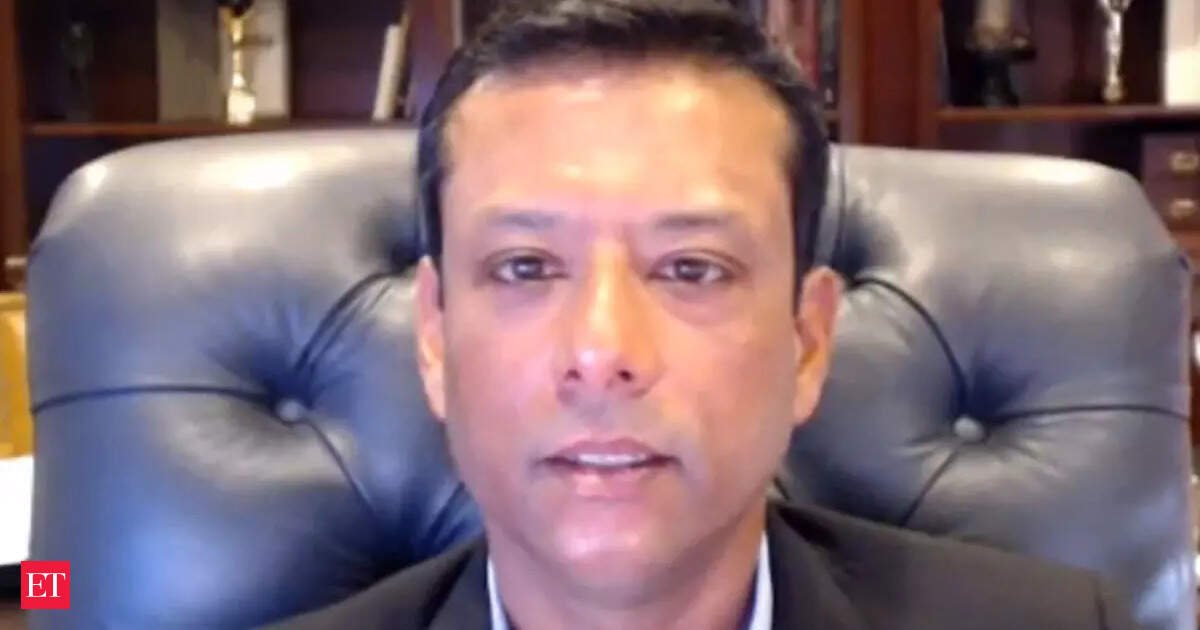
When asked about how the rupee may fare ahead, Mehta noted that analysts are scrambling to justify the depreciation through REER models, trade imbalances and tariff tensions. Yet, according to him, the broader economic backdrop remains strong. “The Indian macro definitely looks great,” he said, pointing instead to one persistent drag: sustained foreign portfolio outflows for nearly two years.
He explained that the average outflow has been substantial. “If you look at it on an average, is like almost 2,500 crores per day… almost like one-and-a-quarter billion dollars in a week… $5 billion a month,” Mehta stated. The RBI, he added, initially tried defending levels near 83–84, before allowing a gradual slide toward the 87–88 range, and eventually past 89. The central bank, he said, is now acting less like a barrier and more like a moderator of volatility.
But FPIs are no longer the only pressure point. “Now we have FPI outflow plus IPOs where FDI outflows are happening… huge FDI outflows… private equity guys are selling off in the IPO,” he pointed out. Adding to the strain, gold imports surged in recent months, and year-to-date imports from China have also risen compared to last year. All these, he said, intensify dollar demand and create continued pressure on the rupee.
On whether the RBI’s upcoming MPC decision may be influenced by the currency’s weakness, Mehta disagreed with the view that rate action will be paused. “Because the inflation is so low, they will have to react on the rate and they will have to cut the rate,” he said firmly.

He added that India doesn’t fit the textbook model where higher interest rates attract foreign inflows and support the currency. “In India, large foreign flows are more equities and when you raise rate, it is not conducive for equity market… raising rate… actually worked counterintuitive in India.”
On how much further the rupee may fall, Mehta admitted uncertainty. Normally optimistic on the currency, he acknowledged being “a little bit spooked” this time, given heavy outflows occurring even before tariff developments escalated. “If that kind of outflow continues happening… I get a little worried,” he said, noting that crude-related currency pressures were small compared to the scale of current dollar exits. Despite speaking to equity specialists, he added, “I have not got the answer” on what exactly is driving the persistent foreign selling.
When ET Now pointed to trends in China and Brazil as possible clues, Mehta countered that India’s situation remains puzzling. “If you look at the gross number, there is purchase coming in, but their outflow is definitely there on a net basis,” he said, emphasising the unusual pattern of strong buying and strong selling coexisting.
Corporates, too, seem to be repositioning their borrowing preferences. Unlike earlier years where dollar fundraising was dominant, companies are now opting for rupee-denominated bonds. Mehta attributed this shift to a structural rise in global risk-free rates. “Basically, overall the global rates… the base rate… has moved from half a percent to 4%, that is the main reason,” he explained.
As India awaits the RBI’s policy decision, the rupee’s trajectory appears tied less to domestic fundamentals and more to global flows, shifting investment behaviour, and an unsettled external environment. For now, the central bank seems content acting as a speed regulator rather than a strict gatekeeper — but the months ahead may test how far that approach can stretch.