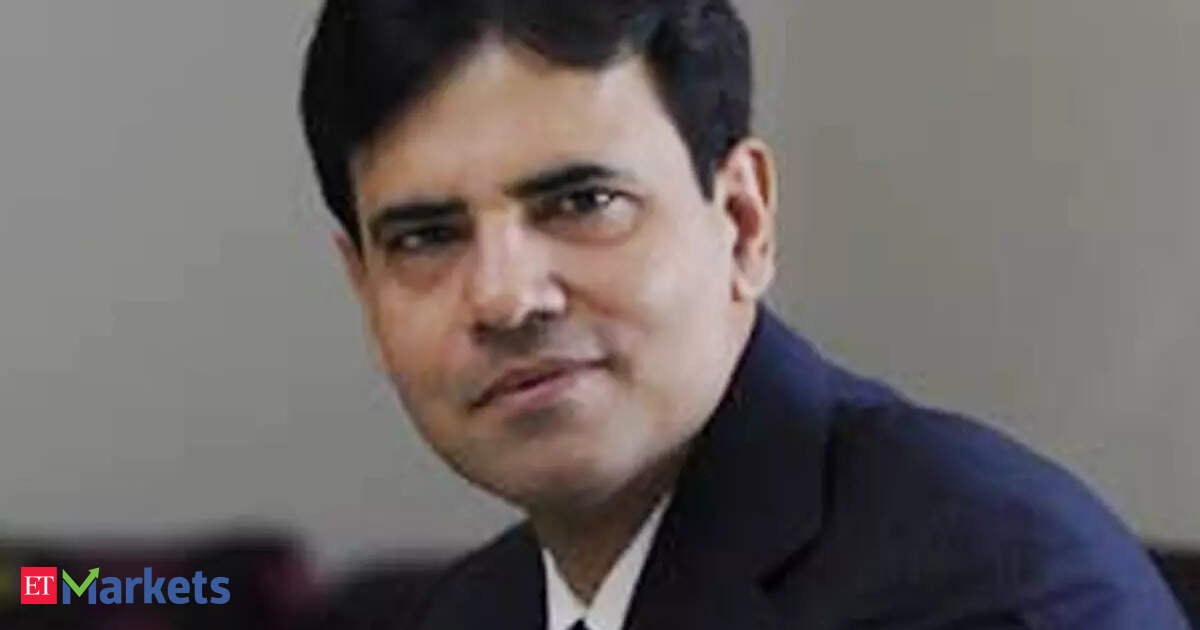
Speaking to ET Now, market expert Sandip Sabharwal said the narrow market breadth is being driven by two unusual forces. “Yes, so what is happening is that broader participation has been lacking and there are two factors to it which I can figure out,” he explained. According to him, the most striking development is the relentless foreign investor selling. “Because foreigners are continuously still selling 2,000 to 4,000 crores on an average every day, which is quite unnatural. Whoever has tracked Indian equities for so many decades also, we have never seen this phenomenon.”
Sabharwal pointed out that foreign capital is being reallocated to markets such as Korea, China and Brazil, where flows have surged. The second major drag, he said, is the overwhelming pipeline of IPOs that continue to absorb domestic liquidity. With hefty grey-market premiums and massive oversubscription trends, retail investors are diverting funds toward new issues rather than the secondary market. “If there is 30,000 crores of IPO this month and let us assume each IPO is subscribed by 50 times, so you can see how the amount of money that is getting blocked,” he noted.
This has created an unusual liquidity imbalance, where domestic inflows are robust—nearly $4 billion a month—but are largely split between the primary and secondary markets. Foreign flows, on the other hand, are showing a stark divergence. “If you see foreign investor flows, there is a net inflow in terms of what they are putting in IPOs but there is a huge secondary market outflow and that phenomena has been continuing for a long time,” Sabharwal added.
Even with strong listing gains, he remains cautious about chasing high-valuation IPOs. “Old style investors find it very tough to invest in these IPOs… for a company which has no visibility of profits, then a market cap of one lakh crores and then you say that they will make some profit five years hence,” he said, adding that oversubscriptions leave little meaningful allocation anyway.

On the consumption front, Sabharwal believes the auto sector is entering a multi-year recovery phase. Positive demand signals, falling interest rates and the impact of GST cuts have set up a favourable backdrop. “Typically… if you go through two-three years of slump, then when the revival starts typically it should last two-three years,” he said. He expects premiumisation trends to continue and highlighted the strong market response to newer models from Maruti Suzuki and Mahindra & Mahindra. “So, the trend will continue. Next at least 12- to 18-month cycle for auto should be positive.”
For investors looking at opportunities today, Sabharwal remains confident in long-term holdings like Maruti and M&M. He also sees potential in commercial vehicles and two-wheelers. “We could have a positive cycle starting in commercial vehicles… And two wheelers also should do reasonably well,” he said.
Even as liquidity tightness and foreign selling weigh on the secondary market, Sabharwal maintains that India’s macro setup remains strong heading into next year. The question now is how quickly the balance between IPO appetites and market breadth can normalise.